DATA·WRANGLER
Data Wrangler Solutions LLC  ·  v4

Round up your data and documents.
Load them into the DataView database.

Every tool can read your documents now. Data Wrangler is the one that puts what they say into a database you can defend — and refuses to put in what it cannot prove.

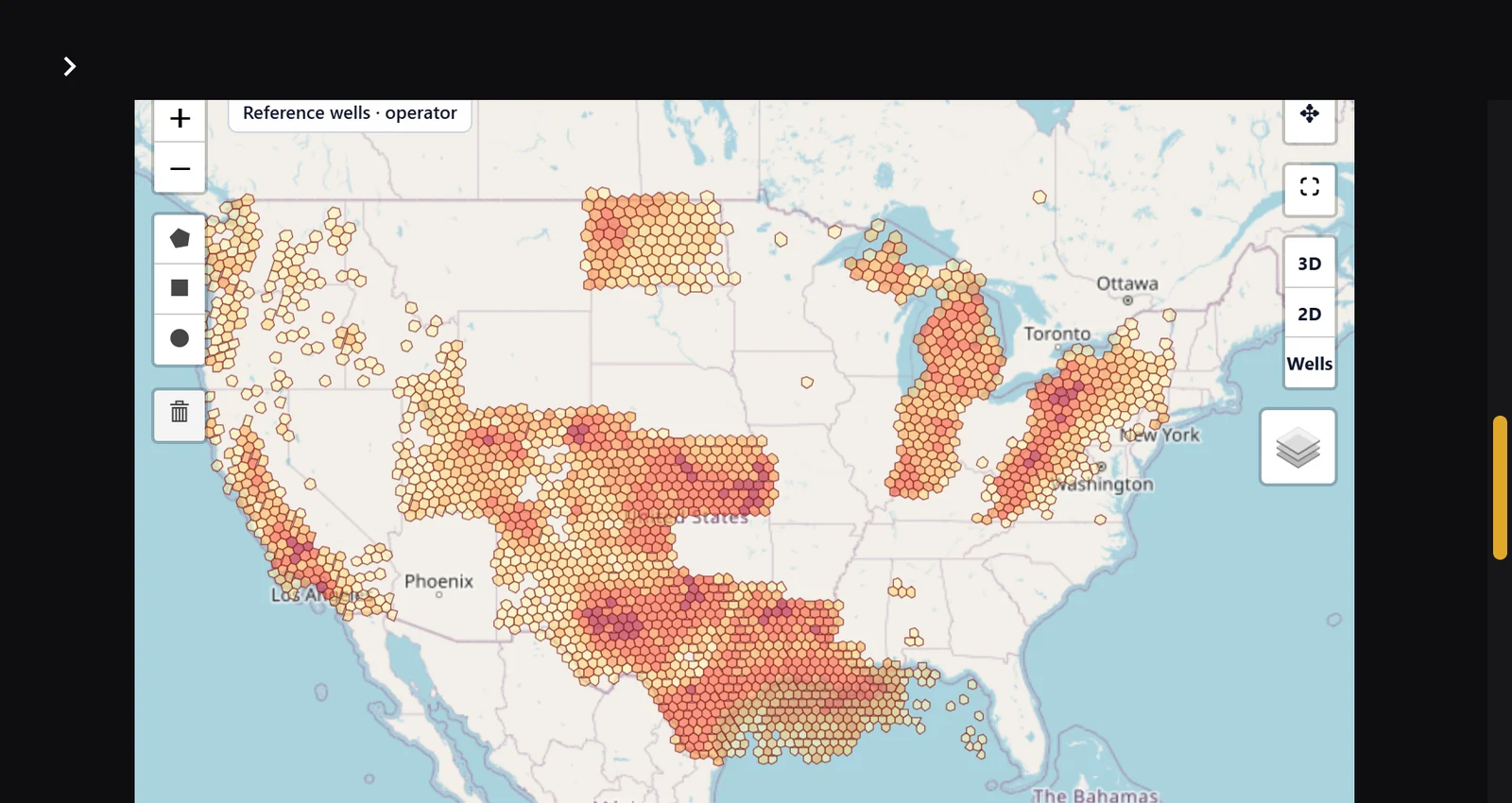
DataView began as a PPDM 3.9 derivative and grew past it — easier to load into and to customise than a conformant implementation, carrying the provenance of every row. The file catalogue is an extension of that same schema, and the map reads it directly. MapBox and QGIS were both tried and were too slow: what other mapping tool handles 3.9 million federated wells and links each one to the documents in a file catalogue?

Listen to this page  ·  3:00

A spoken tour of what is on this page — the same voice as the walkthroughs.

The platform

One tool between your documents and your database

Seven modules, each doing one job and handing its result to the next, over a DataView database. Every record carries its provenance, so the file a row came from can be opened. Multiple schemas are supported at once — the Gulf of Mexico, and the Federation, where each agency's data sits in its own schema and the common fields are federated so one map shows 3.9 million wells. Point it at a folder, a spreadsheet or a scanned report and it does what a data manager does by hand: identify the format, extract what it says, resolve the keys against what is already there, and load what it can prove.

Reads

The formats you actually have

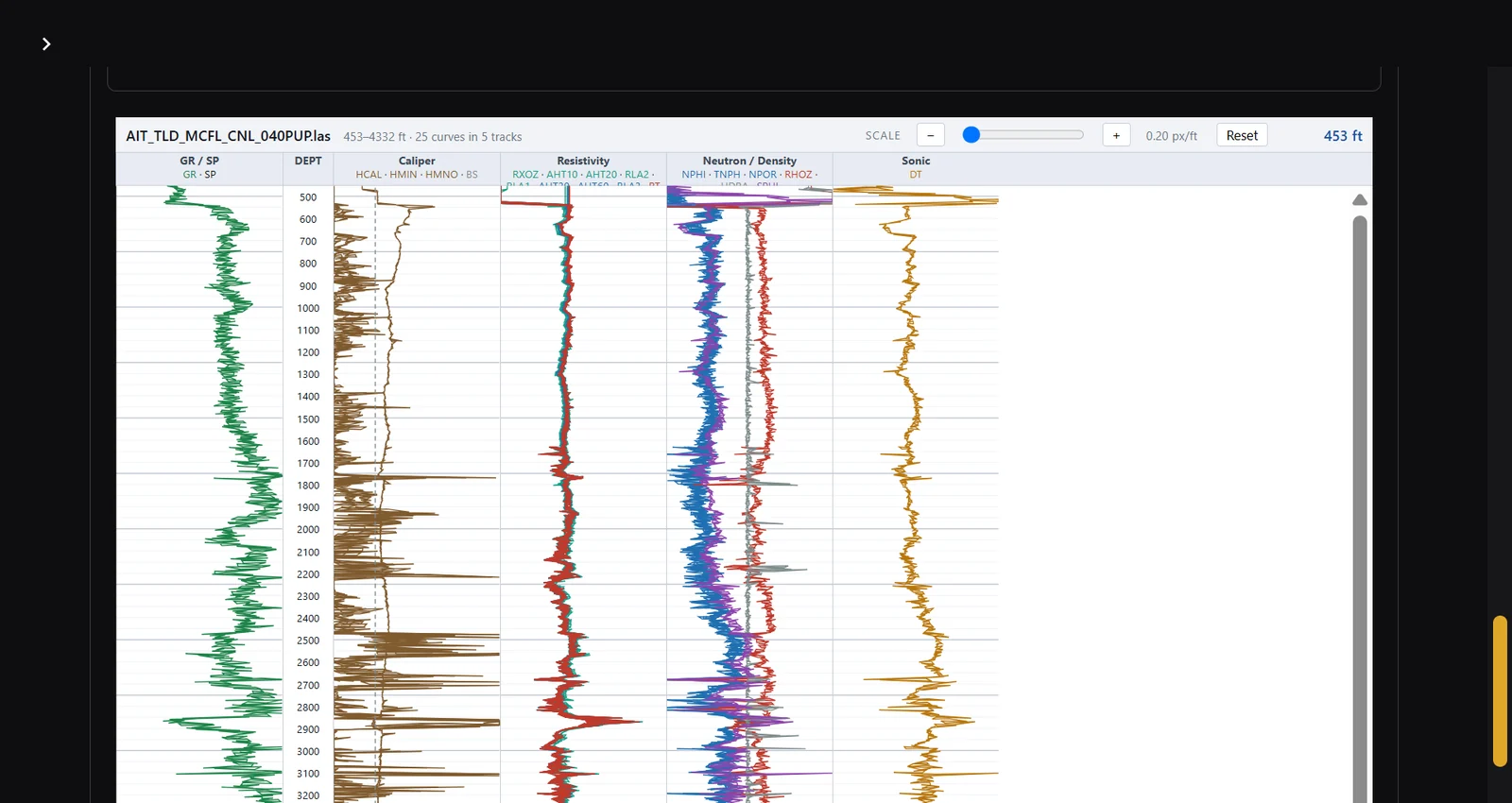
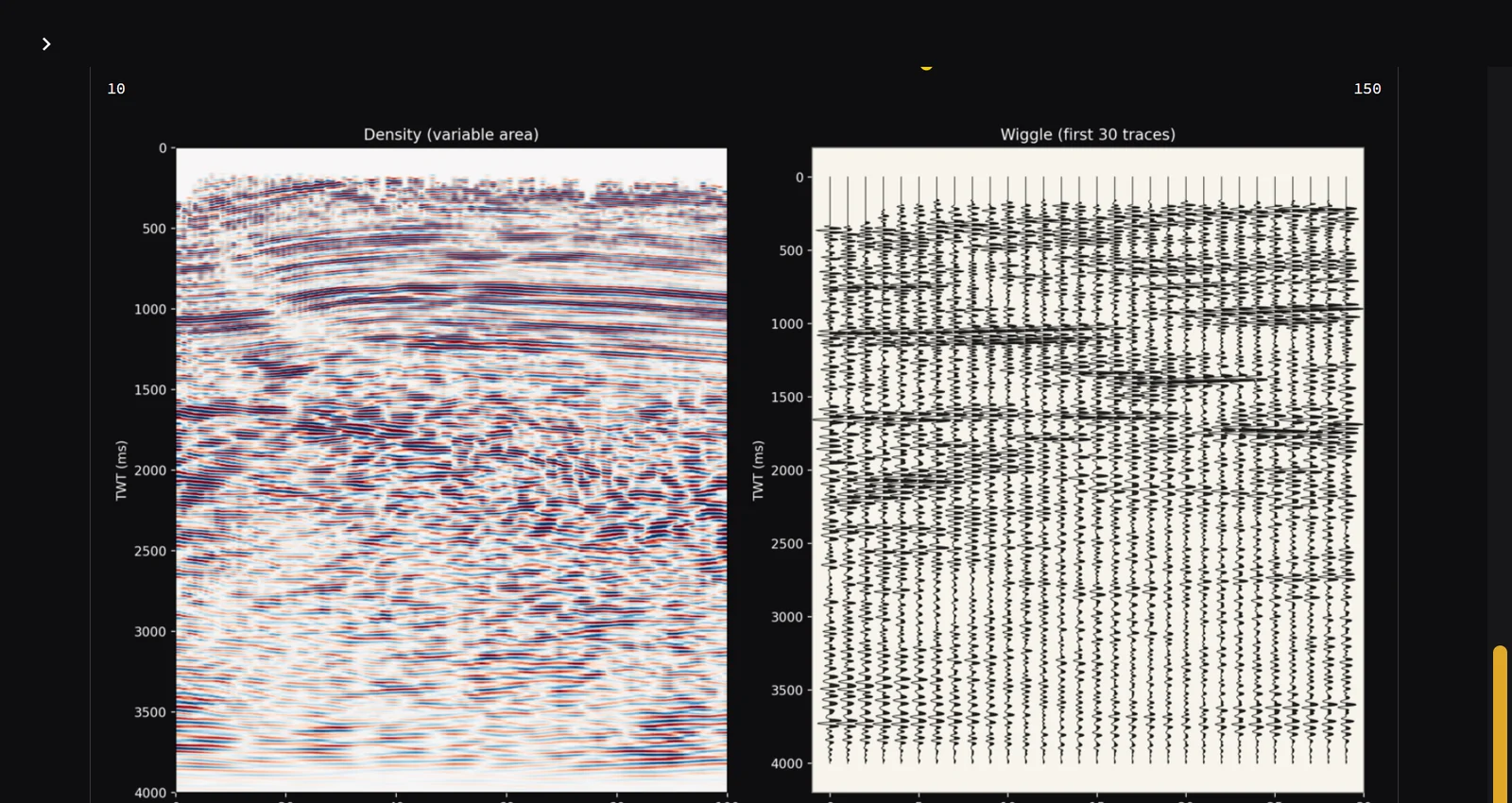
LAS, DLIS and LIS. SEG-Y and P190. PDF scout tickets, end-of-well reports and completion records. Word documents, shapefiles, CSV and Excel. Eight pipeline stages from crawl to promote, and it tells you which one a file stopped at.

Writes

A database you already run

SQL Server, Oracle or Snowflake. A PPDM-derived model rather than a proprietary store, so your people can already read it and your other tools can already query it — with the file catalogue and the geometry held in the same place.

Exports

Whatever the next tool needs

Scout tickets, CSV, multi-page Excel, a PPDM 3.9 well extract. GeoJSON, shapefile, file geodatabase. Petrel, GeoGraphix, an OSDU manifest — or a direct write into another database.

3.9M
well headers shipped
with it
8
pipeline stages,
each reported
4
states, never collapsed
to a percentage

Wrong is worse than missing

A confident wrong value plots, exports, and gets quoted in a meeting. A missing one is visible. Every design decision here follows from that, and it is why the software says held far more often than competitors say done.

Loaded

Rows in the database

Production tables carry this file's id. The file did its job, and you can trace every row back to the page it came from.

Staged

Extracted, not yet promoted

Sitting in the staging mirror, waiting for the next promote. Nothing is lost and nothing has been asserted.

Held

Blocked, with a named reason

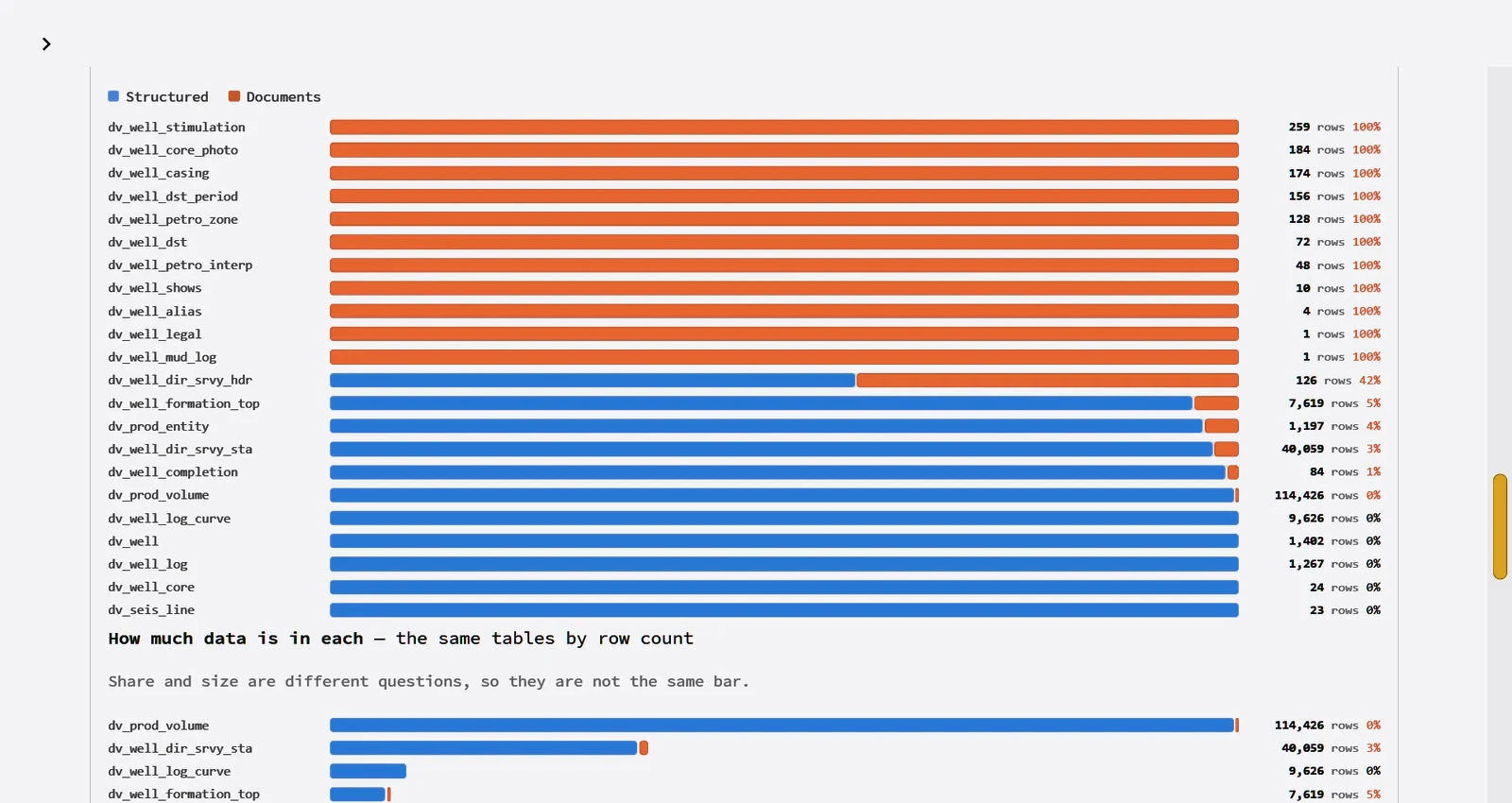
No well identifier, no surface location, a reference code nobody has registered. The row waits and tells you which. Held is recoverable; discarded is not.

Nothing

The only real failure

Neither staged nor loaded. Four states, never collapsed into a percentage — because each one has a different repair.

Where this sits

Everyone can read your documents now

Extraction stopped being the hard part. Language models read a fifty-year-old scanned lease about as well as a template ever did, and a dozen products will sell you that. The question they leave unanswered is the one that decides whether any of it was worth doing.

The extraction vendors will hand you structured output.
Into what?

There are three layers to this market, and most products live in exactly one.

Content
Sells you curated data about other people's wells.
Enverus · S&P Global · TGS
Extraction
Turns your documents into structured output.
Collide · rannsCDE · LlamaParse · Unstructured · Energent.ai
Destination schema
Owns a governed E&P data model — keys, foreign keys, reference codes.
Quorum EnergyIQ · Petrosys dbMap · Katalyst iGlass
Data Wrangler ▸

All three. DataView is the schema, the File Catalog and Document Assistant do the extraction, the Data Assistant handles structured loads — and 3.9 million public-agency well headers come in the box.

Why it matters

Somewhere for it to land

A product whose job is turning documents into JSON has no opinion about what should happen when a formation top arrives for a well that isn't in the database yet. We hold it and say why. The alternative is that it gets inserted, and you find out eighteen months later.

Why it matters

You don't start empty

The incumbent schemas ship as a model you then pay a services engagement to fill. Here the database arrives populated — 3.9 million wells, federated across state and federal agencies, on a map from the first day.

MIT put the failure rate of generative-AI pilots at 95%, and attributed it to the data layer underneath rather than the model. Gartner expects organisations to abandon 60% of AI projects that lack AI-ready data. Both figures are quoted approvingly by the extraction vendors — who are making the case that the data layer is the problem, and do not sell one.

Watch it run

Recorded against a live database, narrated afterwards. Nothing is mocked, nothing is sped up, and every number spoken is a number on the screen.

19:10
of walkthrough
5
narrated films
1080p
no edits to the data
4:59  ·  File Catalog

From a folder of documents to a queryable well database

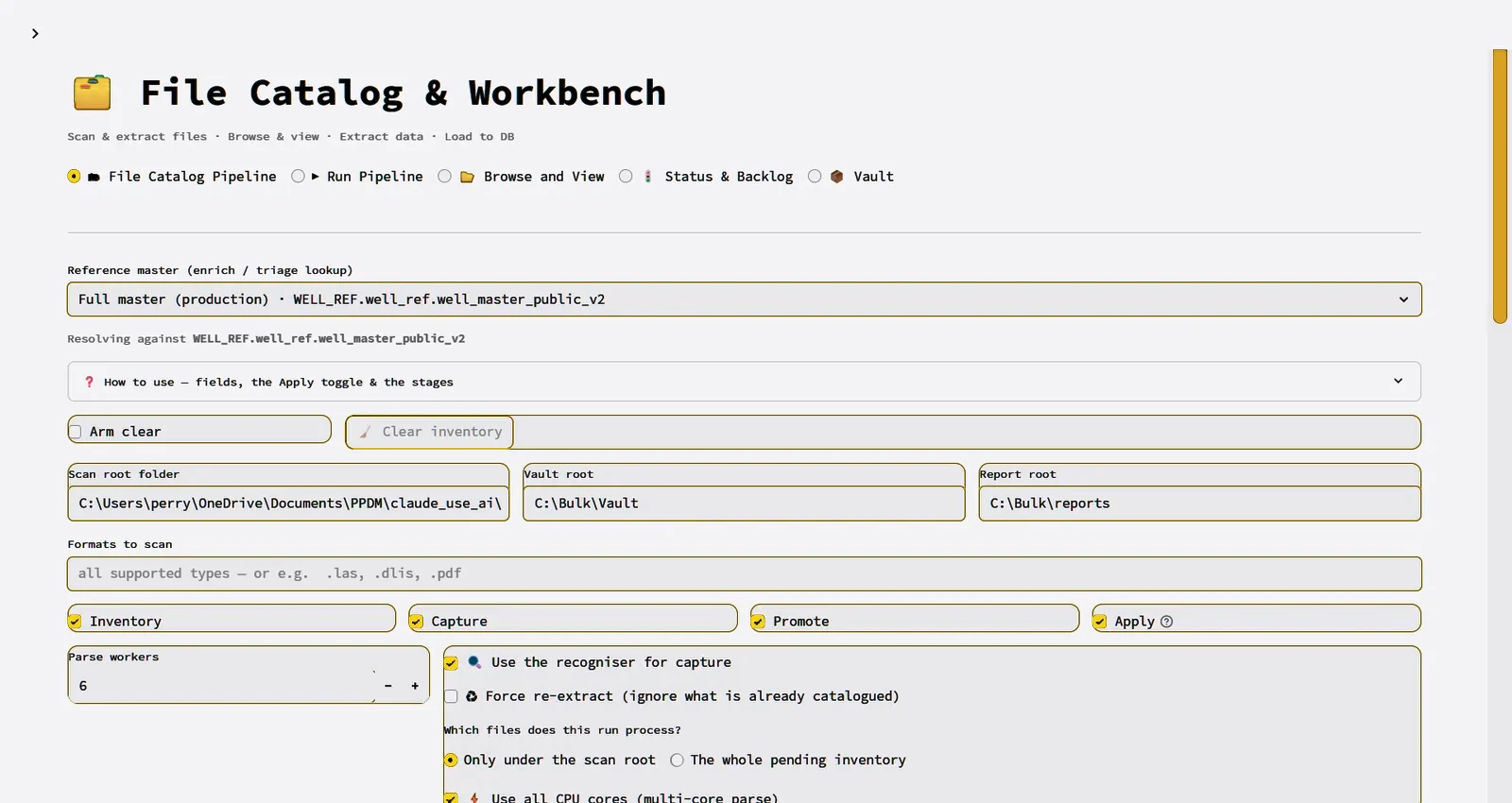
One run over 182 files, start to finish: crawl the folder, read each file, stage the rows, load what passes. Then the part nobody shows you — the files that did not load, the reason for each, and clearing them until none are left. Ends on Held 0.

2:26  ·  Mapping

Find, inspect, document, export

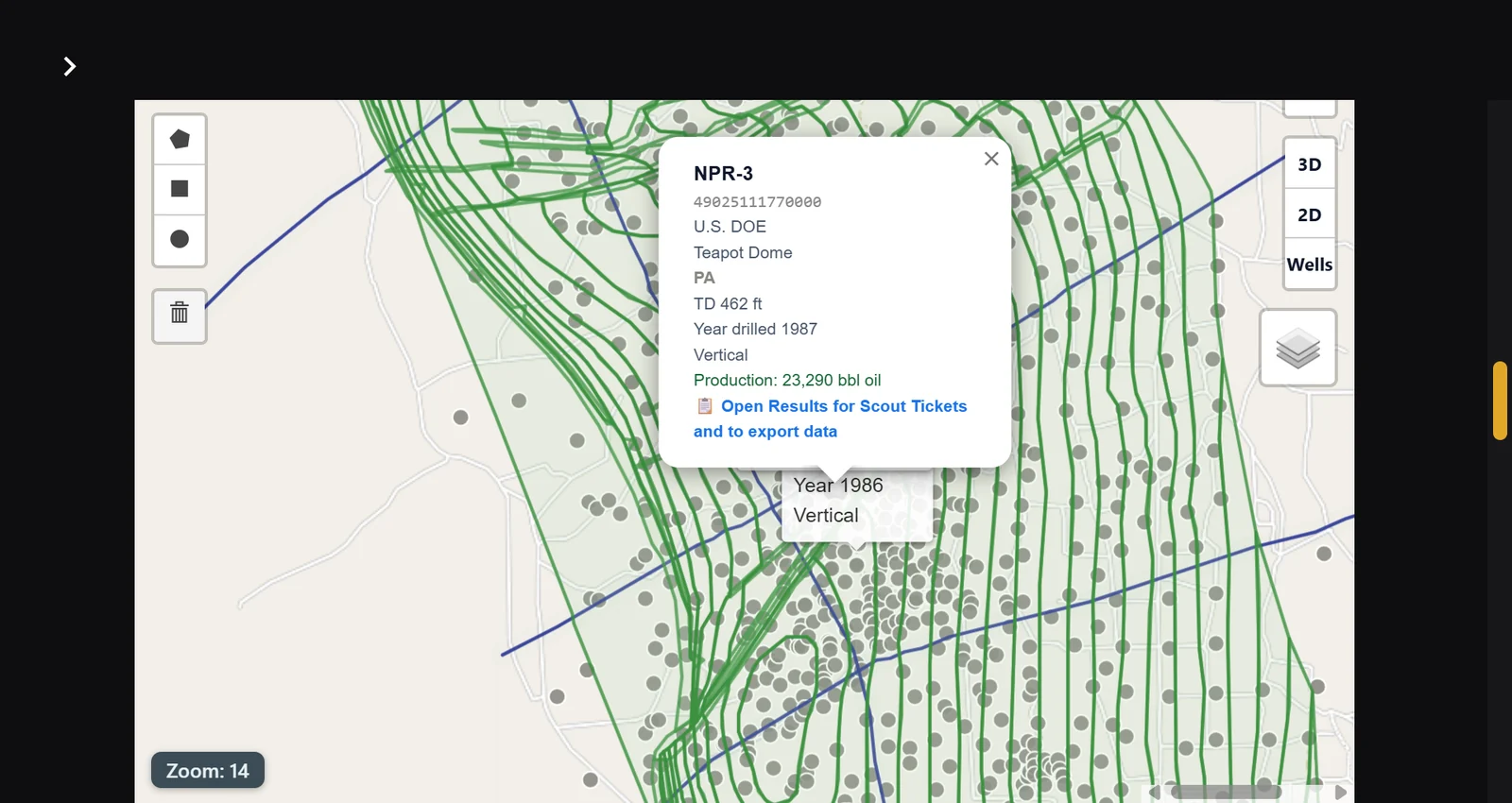
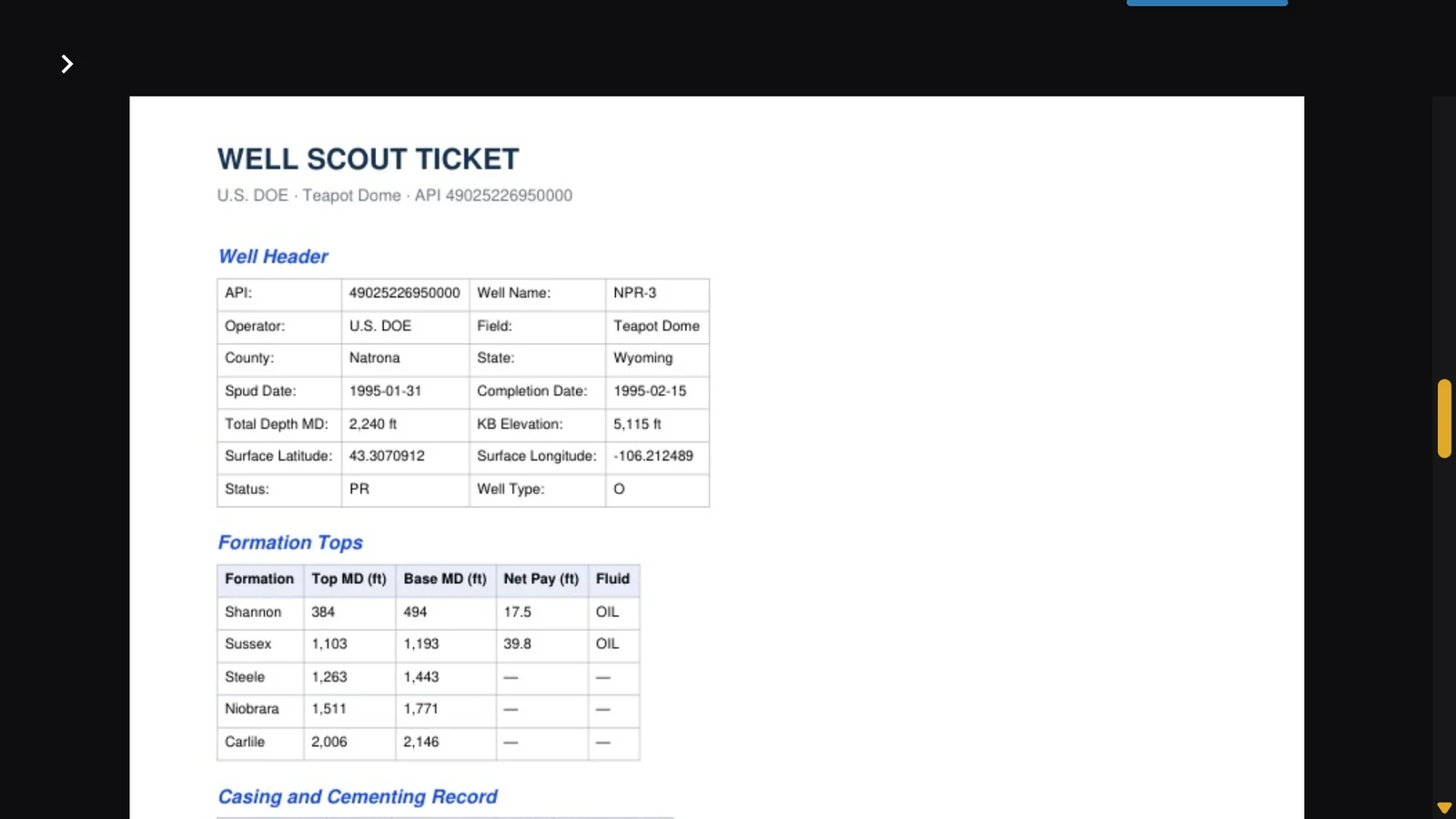
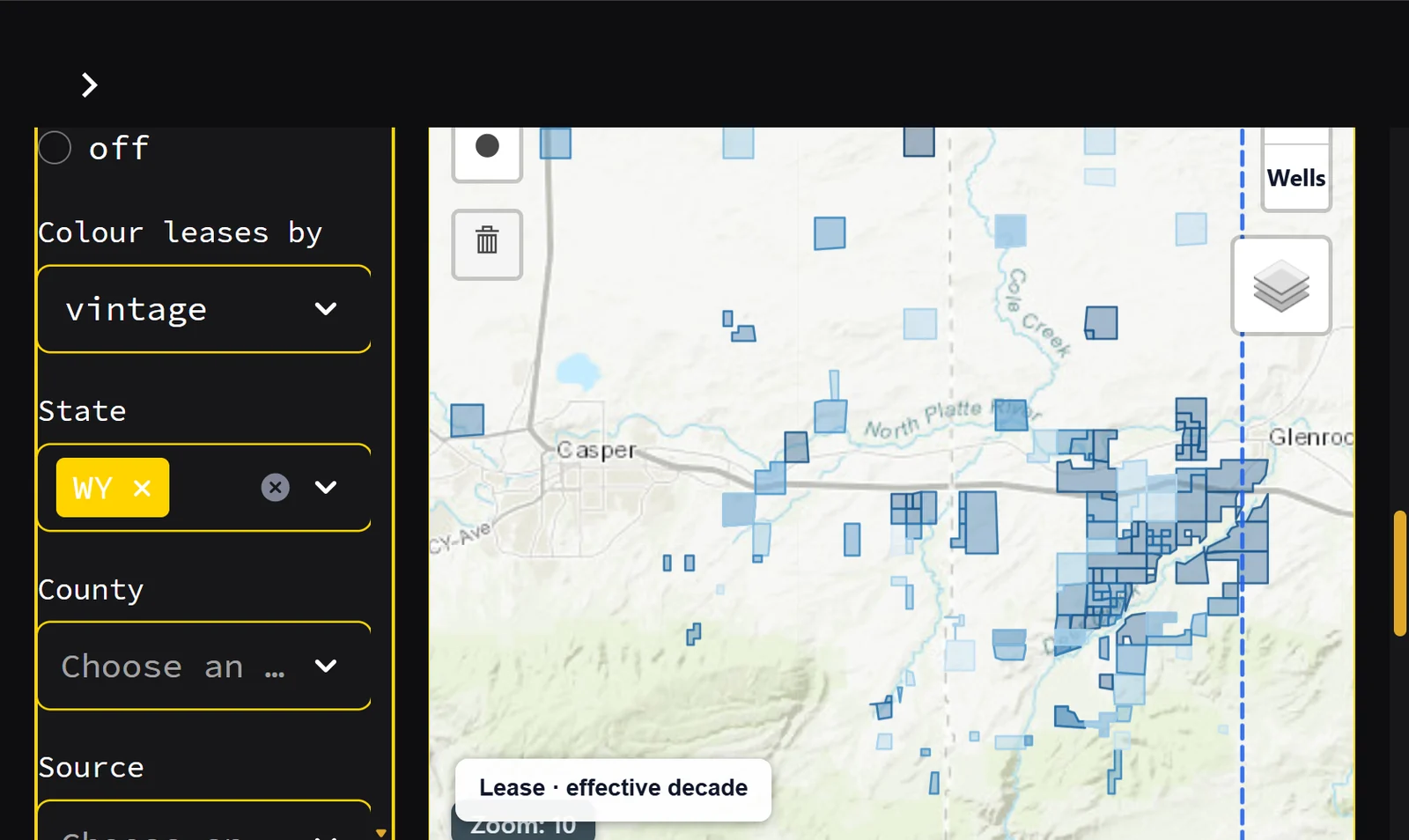
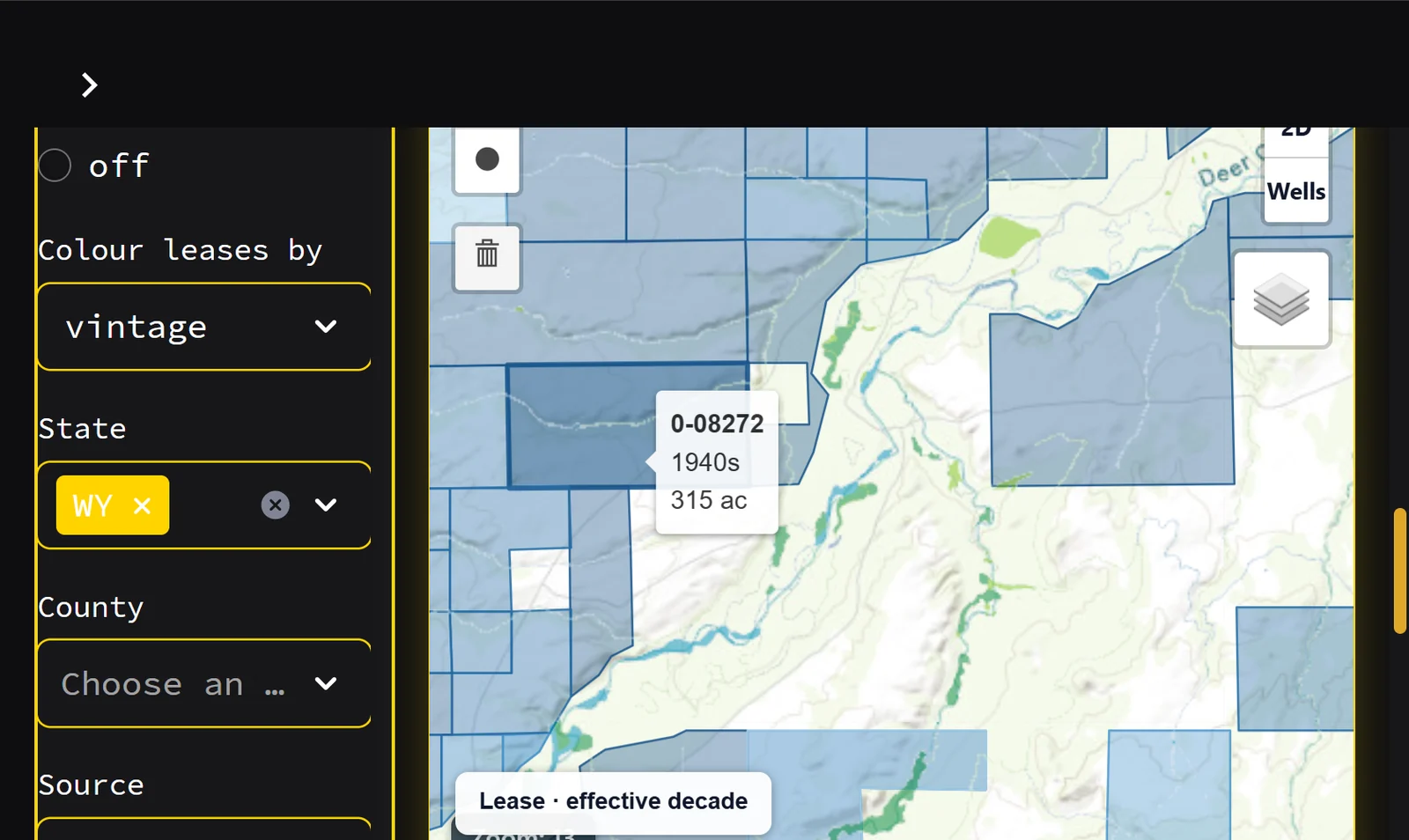
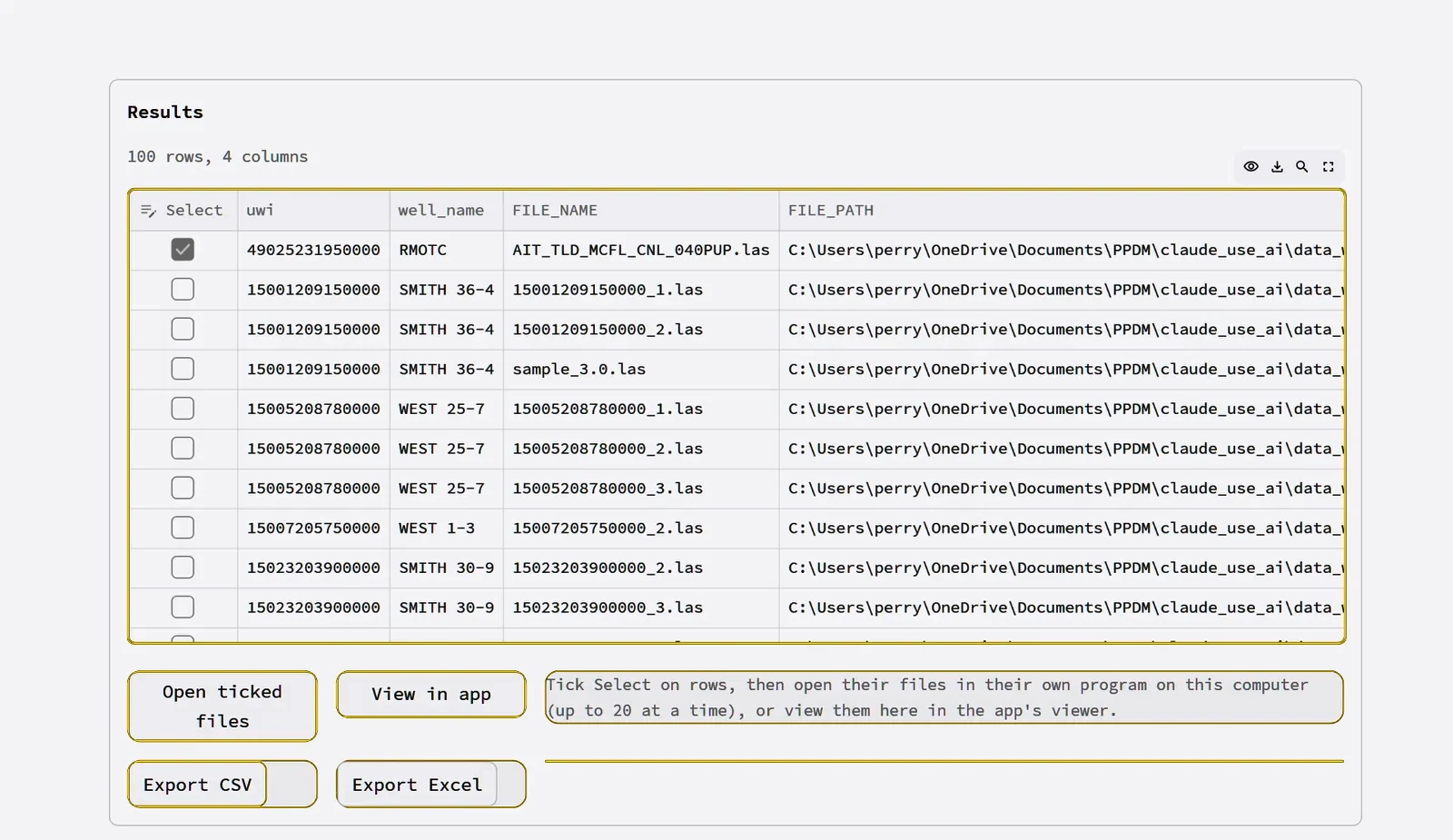
Draw a box on the map and you have fifty wells. Open one and you get its scout ticket and every document filed against it. Then send the whole selection out — a spreadsheet, a shapefile, a Petrel project, an OSDU manifest, or straight into another database.

4:16  ·  Data Assistant

Structured data import tool, one wired database

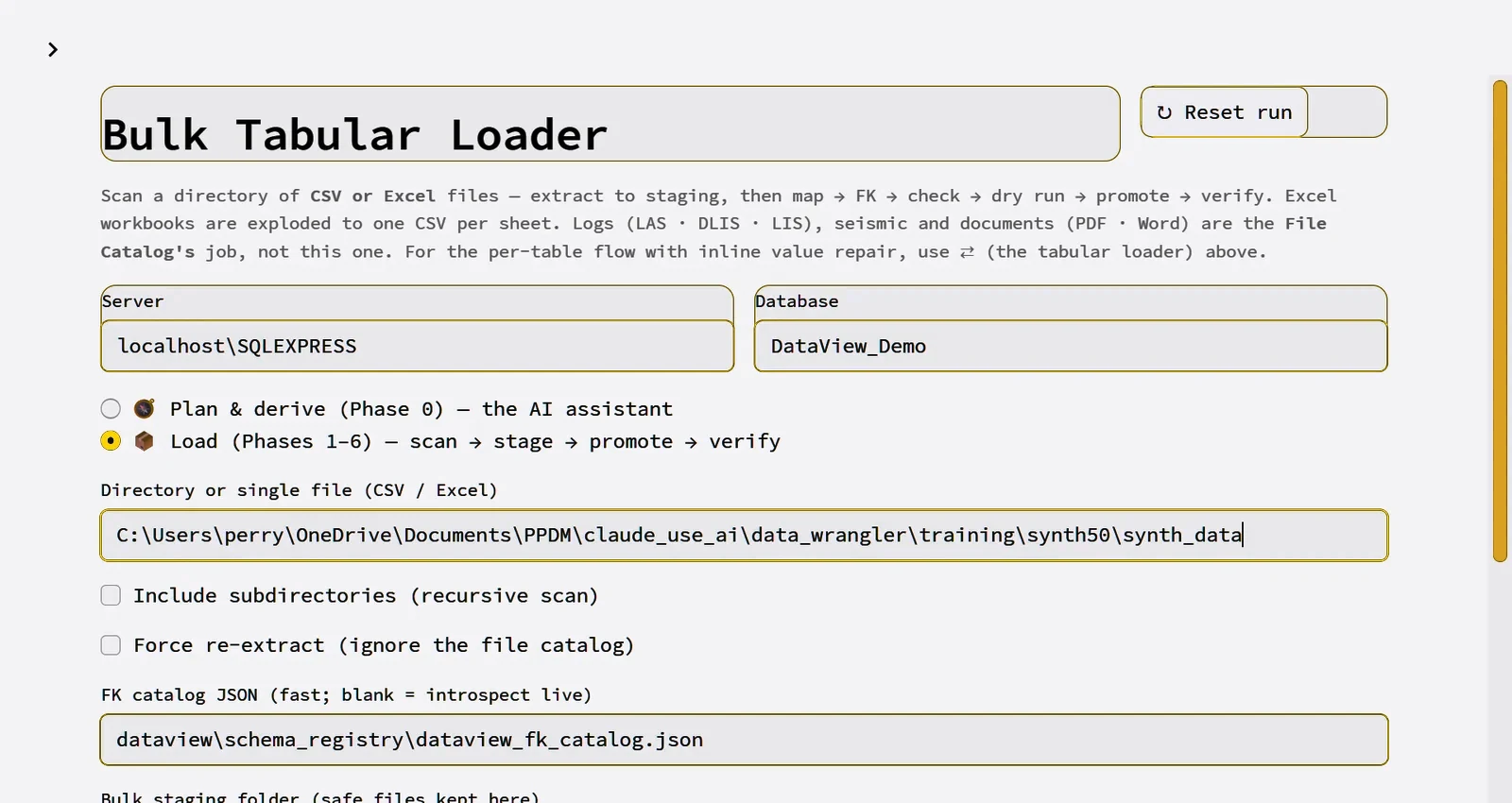
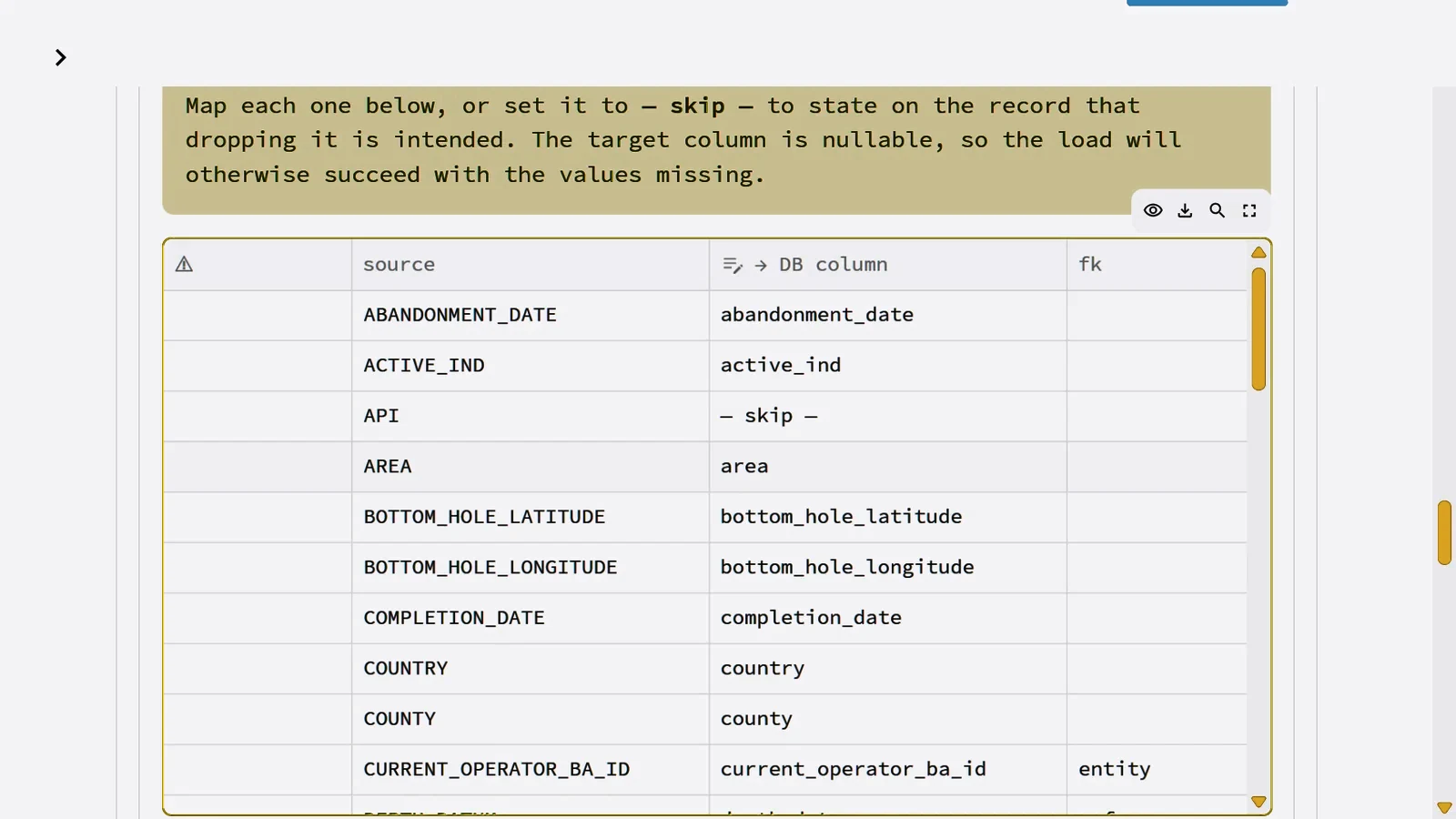
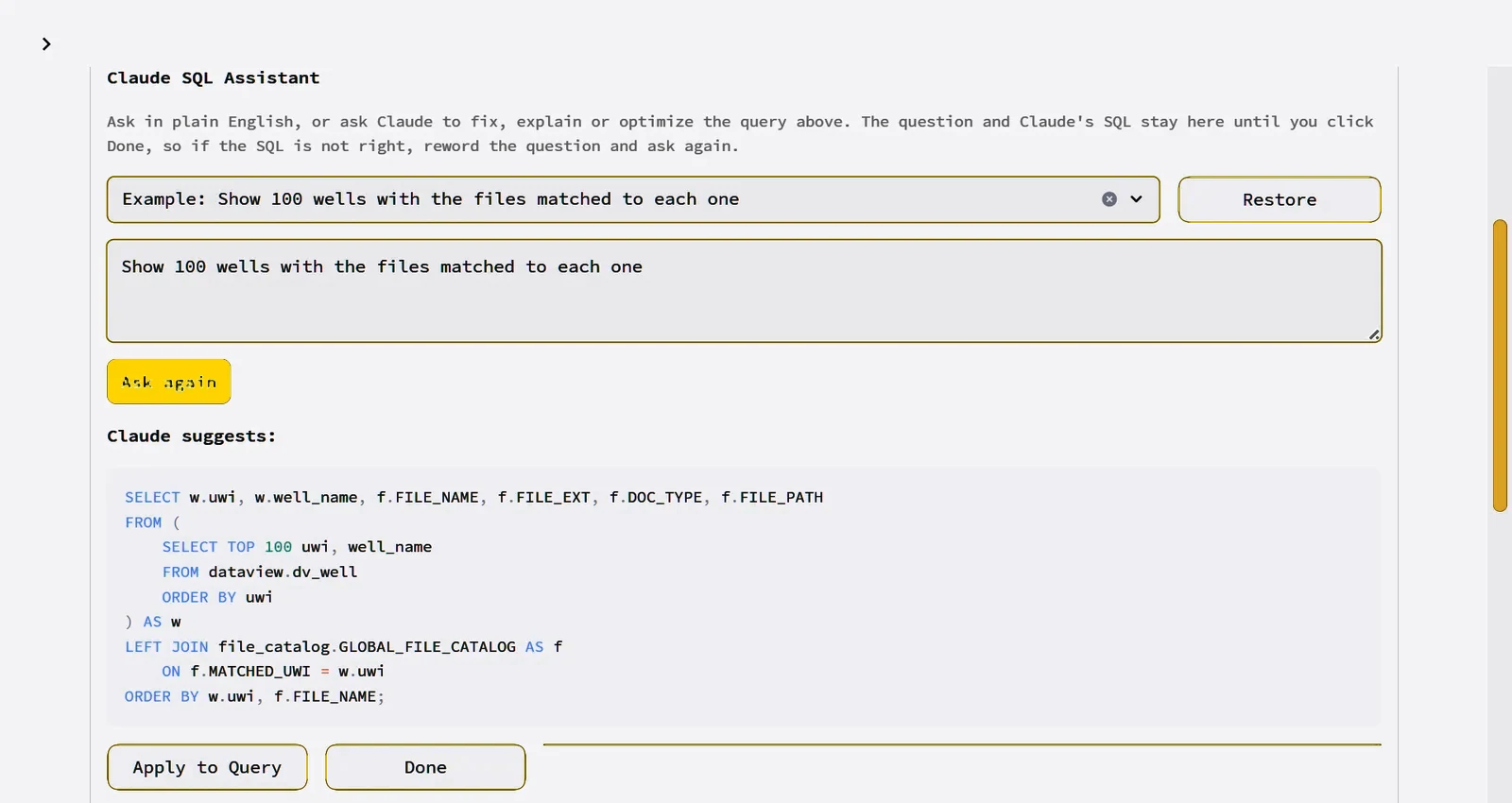
Spreadsheets and CSVs into the database. It recognises a file by its columns, works out the loading order from the database's own relationships so nothing lands before the record it depends on, and shows you every column mapping before it writes.

6:36  ·  Concept

Extraction and importing unstructured data

What happens to a scanned report or a log between the folder and the database. How the text becomes rows, why those rows wait in a staging area before they are trusted, and why "did this document load?" has four different answers rather than a percentage.

0:52  ·  Document Assistant

Reads a report and maps the tables for extraction

Point it at a report and it finds the tables inside, names the columns it recognises, and asks you about the ones it does not. It writes nothing to the database — reading and loading stay separate steps, so you see what it understood before anything is committed.

What is in the box

One application over a DataView database — a PPDM 3.9 derivative — shipped with millions of agency well headers already in it.

Ingest

File Catalog

Crawls a folder, identifies every format, extracts what each file says, stages the rows and promotes what passes the gates. LAS, DLIS, LIS, SEG-Y, P190, PDF, Word, shapefiles.

Ingest

Data Assistant

Tabular loads with foreign-key resolution, column mapping that remembers what it learned, and bulk-copy staging that verifies row counts against the source file.

Ingest

Document Assistant

Reads reports and reports back. Extracts tables, names what it recognises, asks about what it does not, and writes nothing into production.

Explore

Mapping

Wells, fields, leases, pipelines and seismic coverage. Hexagon density at continental zoom, individual wells and their paths up close, a natural-language filter, and scout tickets with a provenance footer.

Explore

DB Explorer

Query, browse and export any table in the database, with schema introspection that reflects what is actually there rather than what a snapshot once said.

Govern

Reference Tables

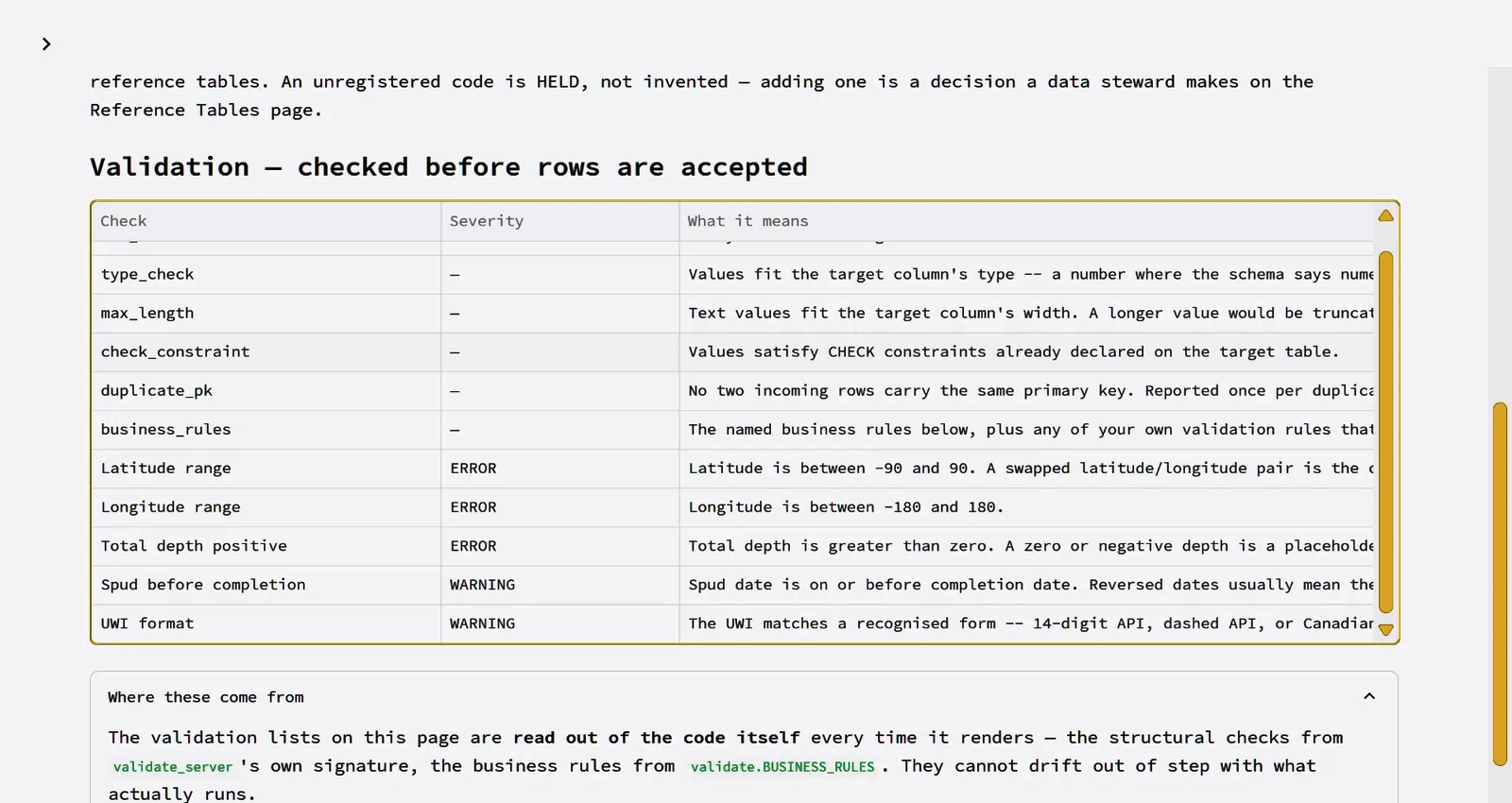
The controlled vocabularies promote checks against. Seeding one arms a gate: an unregistered code holds its rows instead of silently landing.

How it behaves under pressure

These are not slogans. Each one was paid for by a defect, and each is enforced in code rather than in documentation.

The model proposes, tested code executes

No language model writes SQL that reaches the database. It names an operation from a catalogue, or returns a specification; deterministic Python performs it, and you see the specification before anything runs.

Automation may skip ceremony, never a decision

A one-button load was built and removed, because seeding an entity parent is a decision rather than a step. Anything that would commit you to a judgement stops and asks.

Hold, don't drop

A row that cannot promote stays in staging with a named reason. Held is recoverable; discarded is not. The backlog is a work queue, not an error log.

The first one in wins

Promotion is insert-only. Whichever load inserts a row owns it, so re-running a pipeline refreshes rather than duplicates, and provenance stays answerable.

Every row can name its source document

Credit follows the file's own identifier into the destination tables — not a timestamp, which the deep formats never get. A report that cannot say where a number came from says so.

Ready when you are

Ready to load some wells?

The fastest way to judge it is to watch it work on a real database — nineteen minutes, no edits, every number on screen. Then read the component documentation, which says what each part does and, just as usefully, what it refuses to do.